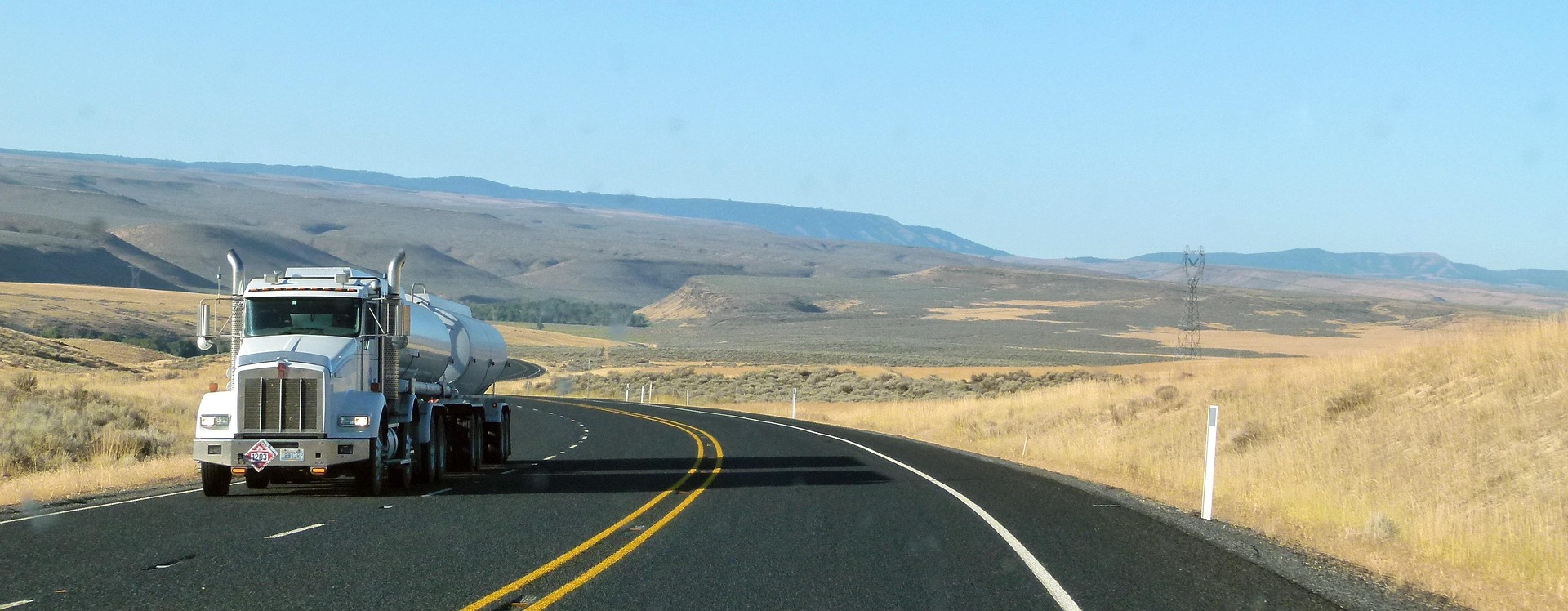
We select modular platform trailers, steerable dollies, and hydraulic suspensions to distribute weight precisely. Custom cradles, spreader bars, and tie-down plans are engineered to protect the cargo and the roadway. Real-time axle load monitoring and leveling systems maintain stability across uneven terrain. On-call maintenance teams minimize downtime by servicing equipment en route.
Our team secures multi-jurisdiction permits aligned with axle loads, overall dimensions, and commodity specifics. We adhere to curfews, seasonal restrictions, and mandated travel windows to ensure lawful movement. Escort, signage, and lighting requirements are integrated into the transport plan. Documentation packs and route approvals are prepared in advance to avoid delays.
We synchronize crane windows, site readiness, and port or rail interfaces to eliminate bottlenecks. Milestone-based schedules track permits, equipment mobilization, and staging needs with transparent updates. Weather intelligence informs go/no-go decisions and crew allocation. A single point of contact oversees stakeholders to keep scope, cost, and time aligned.
Comprehensive pre-trip inspections verify braking systems, securement points, and redundancy measures. Pilot cars and police escorts are scheduled according to route risk profiles and regulatory mandates. Crews use coordinated communications and rolling traffic control to manage intersections and lane changes. Incident response procedures are rehearsed to mitigate unforeseen events.
We analyze corridors with GIS data, bridge inventories, and current restrictions to chart viable paths. Clearances, turning radii, grades, and pavement capacities are verified through desktop studies and targeted field checks. Coordination with municipalities and utilities enables temporary adjustments such as sign removal or line lifts. Contingency routes are prepared to handle sudden closures or weather disruptions.